
Do PRP Injections Work for Knee Pain?
PRP Injections in Sherman Oaks: Understanding if PRP Can Help With Knee Pain.
Knee pain can make walking, exercising, climbing stairs, and completing everyday activities increasingly difficult. When rest, medication, physical therapy, or other conservative treatments have not provided satisfactory improvement, some patients begin exploring platelet-rich plasma therapy.
So, do PRP injections work for knee pain? Research suggests that PRP may reduce pain and improve function in selected patients, particularly those with mild to moderate knee osteoarthritis. However, results vary, and PRP is not appropriate for every knee condition.
At PainX in Sherman Oaks, PRP treatment begins with an individualized medical evaluation. The medical team reviews the cause and severity of the knee pain, previous treatment, health history, and personal goals before determining whether PRP may be considered.
What Is a PRP Injection?
Platelet-rich plasma, commonly called PRP, is prepared using a sample of the patient’s own blood. The blood is processed to separate and concentrate the platelets within the plasma.
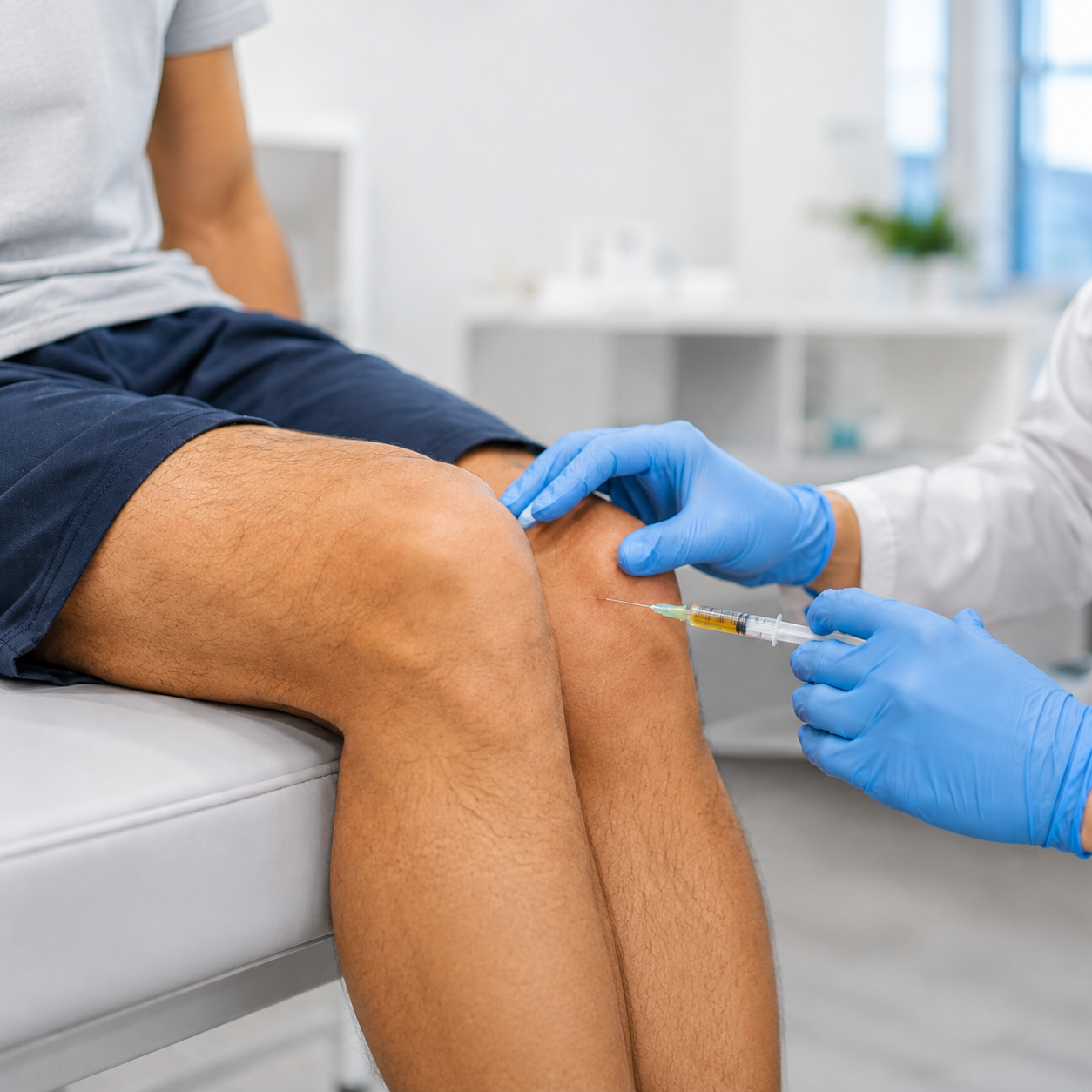
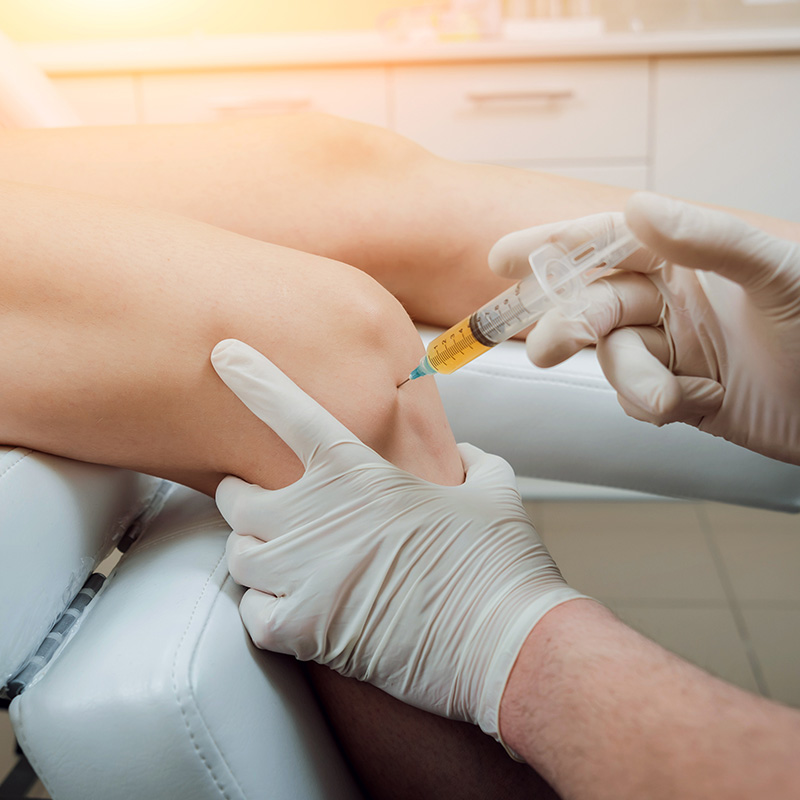
Platelets contain proteins and growth factors involved in the body’s natural healing response. Once prepared, the platelet-rich plasma is injected into the targeted treatment area.
Because PRP comes from the patient’s own blood, it differs from corticosteroid, hyaluronic acid, and other types of knee injections. Nevertheless, using your own blood does not guarantee that the treatment will work or eliminate all potential risks.
What Types of Knee Pain May Be Evaluated for PRP?
PRP is not a universal treatment for every cause of knee pain. Its potential role depends on the specific structures involved, the extent of the condition, and the patient’s overall health.
A physician may evaluate PRP as a possible option for selected patients with:
- Mild to moderate knee osteoarthritis
- Certain tendon injuries or chronic tendinopathy
- Some ligament injuries
- Selected meniscus-related conditions
- Persistent knee pain following an injury
- Knee pain that has not improved adequately with conservative care
An examination and review of previous imaging may be needed to determine what is causing the pain. Conditions such as fractures, infections, severe joint damage, or other medical problems may require a different approach.
What Does the Research Say About PRP for Knee Arthritis?
Knee osteoarthritis can cause pain, stiffness, swelling, and difficulty with everyday movement. Current research suggests that PRP may improve pain and function for some patients with symptomatic knee osteoarthritis.
The available evidence generally appears more favorable for mild to moderate osteoarthritis than for advanced joint damage. The American Academy of Orthopaedic Surgeons states that PRP may reduce pain and improve function in patients with symptomatic knee osteoarthritis, although its recommendation remains limited.
PRP should not be presented as a cure for arthritis. There is also not enough evidence to promise that it will regrow lost cartilage or completely restore an arthritic knee.
Some patients may experience an improvement in pain or function, while others may receive little or no meaningful benefit.
Who May Be a Candidate for PRP Knee Injections?
Candidacy must be determined individually. During an evaluation, a physician may consider:
- The cause and severity of the knee pain
- How long the symptoms have been present
- Whether arthritis or a soft-tissue injury is involved
- Previous medications, injections, or physical therapy
- How the pain affects movement and daily activities
- Existing medical conditions and current medications
- The patient’s expectations and treatment goals
PRP may be discussed when knee pain persists despite appropriate conservative treatment and the patient is looking for a nonsurgical option. However, severe joint damage or certain medical conditions may make another treatment more suitable.
Frequently Asked Questions
Are PRP knee injections painful?
Patients may experience pressure or discomfort during the injection, followed by temporary soreness or swelling. Individual experiences vary.
Can PRP replace knee surgery?
Not in every case. PRP may be considered as part of a nonsurgical treatment plan for selected patients. Severe structural damage or advanced arthritis may still require an orthopedic evaluation.
Are PRP injections covered by insurance?
Coverage varies, but many insurance plans consider PRP investigational and may not cover it for orthopedic conditions. Patients should verify their benefits and anticipated costs before treatment.
How do I know whether PRP is right for my knee pain?
The first step is identifying the likely cause and severity of the knee pain. A medical evaluation can determine whether PRP, another nonsurgical treatment, or a specialist referral may be appropriate.
Schedule a PRP Consultation in Sherman Oaks
If persistent knee pain is limiting your movement, exercise, work, or everyday activities, consider beginning with a medical evaluation.
PainX provides physician-directed PRP therapy and personalized pain-management consultations in Sherman Oaks for patients from Encino, Studio City, Van Nuys, North Hollywood, and surrounding communities.
Schedule a consultation with PainX to discuss your knee pain, previous treatment, and whether PRP injections or another pain-management approach may be appropriate for your individual circumstances.
This content is provided for general educational purposes and should not replace personalized medical advice. PRP results vary and are not guaranteed. Seek prompt medical attention for severe pain following an injury, inability to bear weight, significant swelling, joint deformity, fever, or redness and warmth around the knee.