
Can Ketamine Help With Nerve Pain?
Ketamine Therapy in Sherman Oaks: Understanding if Ketamine Can Help With Nerve Pain.
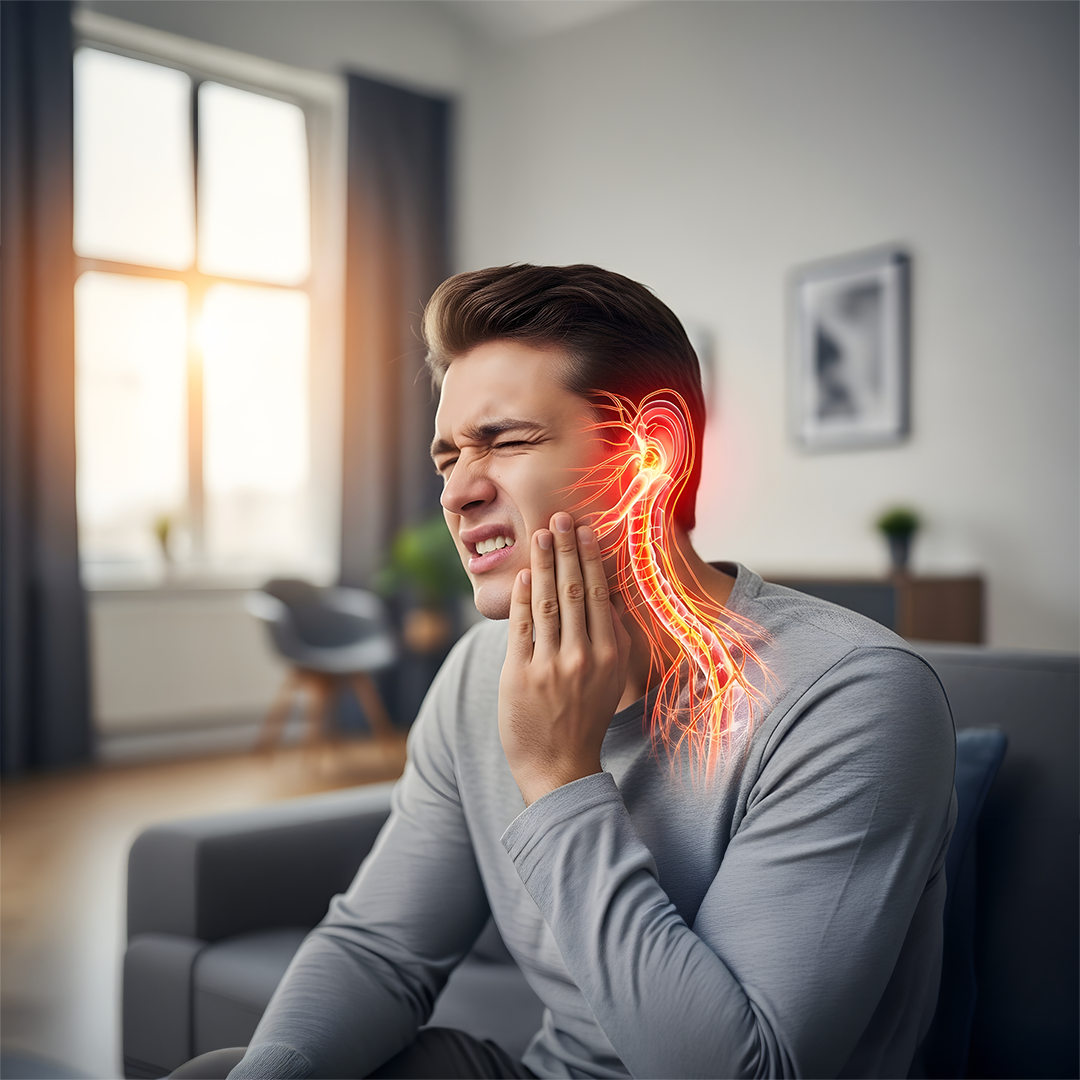
Nerve pain can feel very different from the soreness or aching commonly associated with an injury. Patients may describe it as burning, tingling, shooting, electric, stabbing, or unusually sensitive. In some cases, the discomfort travels along an arm or leg or continues even after the original injury has healed.
So, can ketamine help with nerve pain? Ketamine is sometimes considered for certain chronic and neuropathic pain conditions, particularly when more conventional treatments have not provided satisfactory improvement. However, it is not appropriate for everyone, and individual responses can vary.
At PainX in Sherman Oaks, ketamine therapy begins with a personalized medical evaluation. This allows the medical team to review the patient’s symptoms, health history, previous treatment, and individual risk factors before determining whether ketamine may be considered.
What is Nerve Pain?
Nerve pain, also known as neuropathic pain, can develop when nerves become damaged, irritated, compressed, or unusually sensitive. It may also occur when the nervous system continues producing or amplifying pain signals.
Possible Contributing Factors
Common descriptions of nerve pain include:
- Burning or hot sensations
- Tingling or “pins and needles”
- Shooting or electric pain
- Stabbing discomfort
- Numbness or reduced sensation
- Pain that travels along an arm or leg
- Unusual sensitivity to touch
- Pain caused by contact that would not normally hurt
- Weakness occurring alongside sensory changes
These symptoms do not automatically confirm that someone has neuropathic pain. A medical evaluation may be necessary to better understand the type of pain and its possible cause.
How Is Nerve Pain Different From Other Types of Pain?
Pain caused by injured muscles, joints, or other tissues is often referred to as nociceptive pain. This type of discomfort may feel sore, aching, tender, or throbbing.
Neuropathic pain, meanwhile, is associated with the nerves and the way pain signals are transmitted and processed. It is more commonly described as burning, tingling, shooting, or electric.
However, patients can experience more than one type of pain at the same time. For example, an injury may affect both surrounding tissue and nearby nerves. Therefore, identifying the characteristics of the pain is an important part of determining which treatment options may be appropriate.
How May Ketamine Affect Pain Signals?
Ketamine was originally developed and approved as an anesthetic. In carefully controlled medical settings, healthcare professionals may also use ketamine at different doses for certain pain conditions.
Ketamine interacts with several systems involved in how the brain and spinal cord process pain. One of its recognized actions involves N-methyl-D-aspartate, or NMDA, receptors. These receptors participate in the transmission and amplification of pain signals.
In certain chronic pain conditions, the nervous system may become increasingly sensitive and reactive. This process is sometimes called central sensitization. Ketamine’s effect on NMDA receptors is one reason it has been studied as a possible option for selected patients experiencing persistent neuropathic pain.
Nevertheless, ketamine does not repair every damaged nerve or eliminate every cause of nerve pain. Its potential role depends on the patient’s diagnosis, symptoms, medical history, and response to previous care.
What Types of Nerve Pain May Be Evaluated?
Ketamine therapy has been studied or used in medical settings for selected chronic pain conditions with a neuropathic component.
These may include:
- Complex regional pain syndrome
- Peripheral neuropathic pain
- Pain following certain nerve injuries
- Postherpetic neuralgia
- Certain forms of persistent pain following surgery
- Other chronic pain conditions involving abnormal nerve signaling
Being diagnosed with one of these conditions does not necessarily mean ketamine will be recommended. A medical provider must evaluate whether the potential benefits, limitations, and risks are appropriate for the individual patient.
Frequently Asked Questions
Is burning pain always caused by a nerve?
No. Burning discomfort can have several possible causes. However, persistent burning accompanied by tingling, numbness, shooting pain, or unusual sensitivity may indicate that nerves are involved and should be evaluated.
Is ketamine a cure for neuropathic pain?
Ketamine is not considered a cure for neuropathic pain. It may be evaluated as one part of a broader treatment plan for selected patients. Results and the duration of any improvement vary.
Is ketamine the same as an opioid?
No. Ketamine is an anesthetic medication that interacts with several receptors and pain-processing pathways. It works differently from opioid medications.
Can ketamine repair damaged nerves?
Ketamine is not generally used to physically repair a damaged nerve. Its potential role relates more closely to how the nervous system transmits and processes certain pain signals.
How do I know if I am a candidate?
Candidacy depends on your diagnosis, symptoms, medical history, previous treatment, current medications, and individual risk factors. A medical consultation is required to determine whether ketamine may be appropriate.
Learn More About Ketamine for Nerve Pain in Sherman Oaks
If burning, tingling, shooting, or persistent nerve-related pain is interfering with your sleep, movement, work, or quality of life, consider beginning with a medical evaluation.
PainX provides personalized pain management consultations in Sherman Oaks for patients from Encino, Studio City, Van Nuys, North Hollywood, and surrounding communities.
Schedule a consultation with PainX to discuss what you have been experiencing and learn more about the options that may be appropriate for you.
This content is intended for general educational purposes and should not replace personalized medical advice. Seek immediate medical attention for severe, sudden, or potentially life-threatening symptoms.